
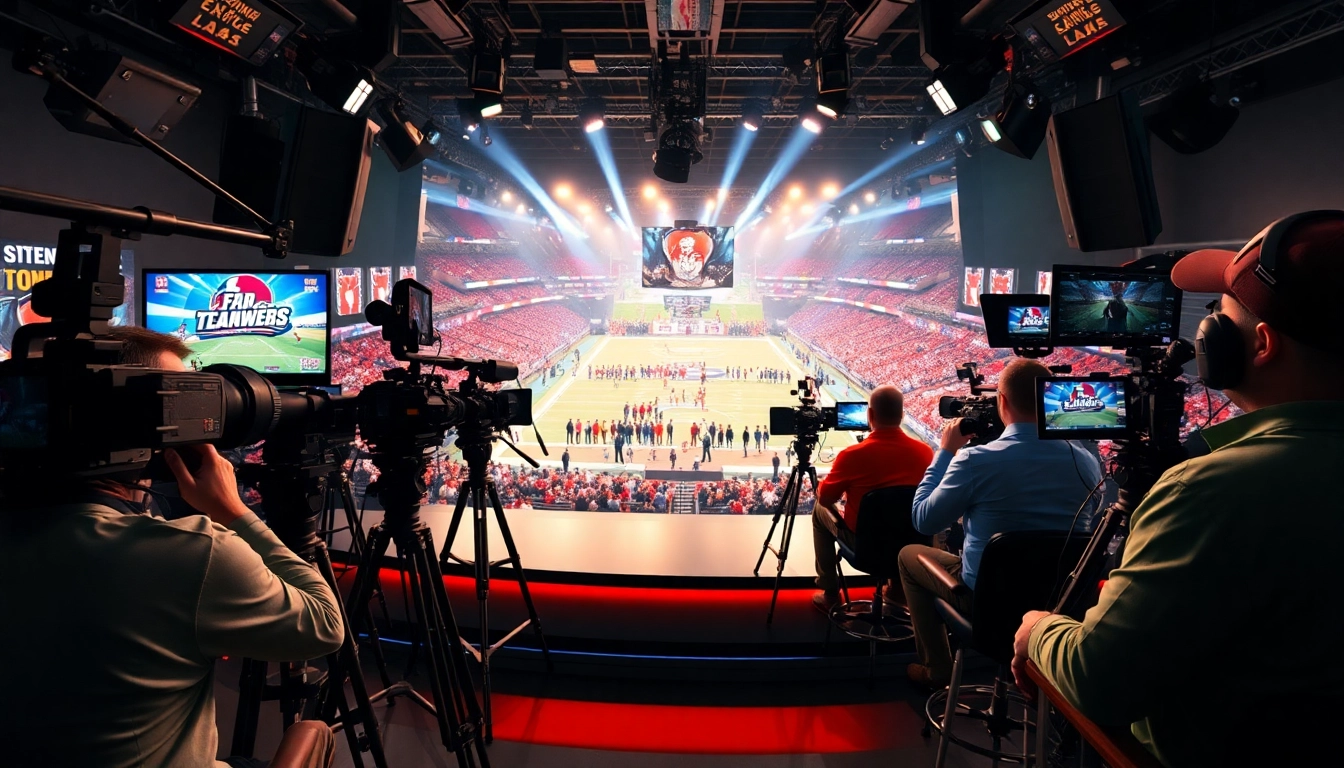
Understanding Sports Broadcasting
Definition and Importance of Sports Broadcasting
Sports broadcasting refers to the distribution of sports content to an audience via various channels, including television, radio, and digital platforms. It serves a crucial function in the sports ecosystem by bringing live events, commentary, and analysis to fans worldwide. The excitement of live games, the intricacies of play-by-play commentary, and the insights from expert analysts all contribute to an engaging viewing experience that keeps fans connected to their favorite teams and athletes. Furthermore, Sports Broadcasting provides essential revenue streams for sports organizations through advertising, sponsorships, and broadcasting rights, shaping the financial landscape of modern sports.
The Evolution of Sports Broadcasting
The journey of sports broadcasting has undergone significant transformations since its inception. The early 20th century marked the beginning of radio broadcasts, where over-the-air signals allowed fans to follow their favorite teams from afar. The advent of television in the mid-20th century revolutionized sports viewership, offering visual content that attracted more viewers. As technology improved, cable networks expanded coverage and introduced dedicated sports channels, providing greater access to leagues and events.
In recent years, the rise of digital platforms has further changed how audiences consume sports content. Streaming services have made it possible to watch games on multiple devices, allowing sports fans to enjoy flexibility and convenience. The integration of social media also plays a crucial role, enabling live discussions, commentary, and instant highlights that enhance viewer engagement.
Key Players in Sports Broadcasting
The landscape of sports broadcasting features a variety of stakeholders, each playing pivotal roles in delivering content to fans. Key players include:
- Broadcast Networks: Established networks like ESPN and NBC hold important broadcasting rights and shape viewing habits through their programming.
- Streaming Services: Platforms such as Amazon Prime and Hulu are shaking up the traditional broadcasting model, offering live games in unique packages.
- Sports Leagues: Organizations like the NFL and NBA control broadcasting rights and negotiate deals with networks and streaming services, determining how and where their games are shown.
- Advertisers and Sponsors: They invest in broadcasting, funding television spots and sponsorships while driving revenue for both networks and leagues.
Essential Skills for Effective Sports Broadcasting
Communication and Presentation Skills
Effective communication is at the heart of successful sports broadcasting. Broadcasters must convey game-related information clearly and engagingly, ensuring that both seasoned fans and newcomers can follow along. Strong presentation skills—encompassing tone, pace, and articulation—are essential for creating a lively viewing atmosphere. Cultivating these skills can involve practice, attending workshops, and studying seasoned broadcasters.
Research and Preparation Techniques
A well-prepared broadcaster significantly enhances the viewing experience. This involves thorough research on teams, players, and upcoming matchups to provide nuanced commentary. Techniques can include compiling stats, understanding team dynamics, and keeping abreast of recent developments. Engaging with fans and gathering insights through social media platforms can also elevate a broadcaster's preparation.
Adapting to Live Events
Live sports broadcasting often comes with unpredictability. Broadcasters must be quick-thinking and adaptable to handle unexpected developments, such as player injuries or weather changes. It's vital to maintain composure and continue delivering relevant commentary, driving the narrative even amidst unforeseen occurrences. Training in improvisation and scenario-based rehearsals can help enhance adaptability.
Technology in Sports Broadcasting
Current Tools and Equipment
The landscape of sports broadcasting has been profoundly shaped by technological advancements. High-definition cameras, drones for aerial shots, and advanced audio equipment ensure an immersive experience for viewers. Moreover, data analytics tools provide broadcasters with real-time statistics to enhance analysis during games. Graphic overlays and augmented reality elements can further enrich viewer engagement by visually representing complex data in an understandable format.
Emerging Technologies in Sports Broadcasting
Emerging technologies such as artificial intelligence (AI) and virtual reality (VR) are starting to leave their mark on sports broadcasting. AI can assist in generating insights and automating highlights, while VR offers fans immersive experiences that replicate being in the stadium. These technologies not only enhance the viewer experience but also open new avenues for broadcasters to engage audiences creatively.
Future Trends to Watch
The future of sports broadcasting is poised for exciting developments. Trends like personalized content delivery (tailoring games and highlights based on viewer preferences) and an increased presence in mobile applications are gaining traction. Additionally, as esports grow in popularity, traditional sports broadcasters will expand their coverage strategies to accommodate this new audience. Keeping abreast of these trends is crucial for broadcasters looking to remain relevant and competitive in this evolving landscape.
Challenges in Sports Broadcasting
Handling Live Broadcast Crises
Live broadcasts come with inherent risks, including technical difficulties and unexpected incidents during events. Effective crisis management protocols are essential for broadcasters to navigate these situations smoothly. Training team members on contingency plans and practicing risk management scenarios can help maintain the quality of the broadcast during disruptions.
Maintaining Viewer Engagement
Capturing and retaining audience attention is a perennial challenge in sports broadcasting. With numerous entertainment options available, securing viewer interest demands innovative storytelling and dynamic interactions. Weaving fan insights, interactive segments, and social media engagement into broadcasts can help cultivate a loyal viewer base.
Legal and Ethical Considerations
Sports broadcasters must navigate various legal and ethical considerations, including copyright laws and ensuring fair representation. Strict adherence to rights agreements is vital to avoid legal penalties and potential loss of broadcasting privileges. Moreover, ethical broadcasting insists on delivering fair commentary and avoiding biases, fostering a healthy dialogue among fans and stakeholders.
Evaluating Success in Sports Broadcasting
Key Performance Metrics
Measuring success in sports broadcasting involves a comprehensive evaluation of several key performance metrics. Viewer ratings, audience reach, and engagement rates are primary indicators of a broadcast's effectiveness. Broadcasters also analyze demographic data to understand the audience better and tailor content to meet their preferences.
Viewer Feedback and Ratings
Incorporating viewer feedback is essential for continuous improvement in sports broadcasting. Surveys and social media interactions can provide invaluable insights into what fans appreciate or wish to change. Ratings from research firms, such as Nielsen, also offer quantitative data to support decision-making and program adjustments.
Case Studies and Success Stories
Analyzing successful sports broadcasts can yield key lessons and best practices for aspiring broadcasters. Case studies can reveal strategies that engaged audiences in innovative ways, from interactive segments to excellent commentary. By learning from these examples, broadcasters can adapt their own techniques to enhance their performance in the industry.
Frequently Asked Questions
What skills are essential for a sports broadcaster?
Key skills include strong communication, presentation abilities, research techniques, and adaptability to live events, ensuring effective delivery of sports content.
How has technology impacted sports broadcasting?
Technology has enhanced the visual quality, engagement tools, and real-time statistics available to broadcasters, significantly enriching the viewer experience.
What are common challenges in sports broadcasting?
Challenges include handling live broadcast crises, maintaining viewer engagement, and navigating legal and ethical considerations in broadcasting content.
What metrics are used to evaluate broadcasting success?
Success metrics include viewer ratings, audience reach, engagement rates, and qualitative feedback from viewers, aiding in performance assessment.
What trends are shaping the future of sports broadcasting?
Emerging trends include personalized content delivery, mobile application expansion, and integration of esports coverage to engage broader audiences.